3 varuprover som gåva med varje order


Showing9 of 9 products


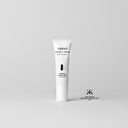
Deep Cleanse Bestseller
EXFOLIERANDE & BALANSERANDE, MED SALICYLSYRA
€35,00
Lägsta pris
€35,00
Högsta pris
€40,00

Super C Serum
SKYDDANDE & LYSTERGIVANDE, MED VITAMIN C & PHLORETIN
€30,00
Lägsta pris
€30,00
Högsta pris
€70,00
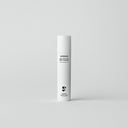

Balancing Day Cream
LJUSAR UPP & FÖRYNGRAR, MED RETINOL 8
€25,00
Lägsta pris
€25,00
Högsta pris
€95,00
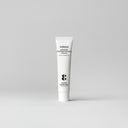

Barrier Strengthening Cream
STÄRKANDE, MED CERAMIDER OCH HYALURONSYRA
€20,00
Lägsta pris
€20,00
Högsta pris
€60,00


Super Eye Serum Bestseller
FÖRYNGRANDE, MED RETINOL 8 & PEPTIDER
€36,00
Lägsta pris
€36,00
Högsta pris
€60,00


Retinoate Eye Patches
REJUVENATING & BRIGHTENING, WITH NEAR 1
€10,00
Lägsta pris
€10,00
Högsta pris
€45,00
MORE ABOUT AKNEBENÄGEN HUD
What causes acne-prone skin?
Acne prone skin can develop when pores become clogged with a combination of sebum (oil), old skin cells, and bacteria. Common contributing factors include:
- Excess sebum production
Hormonal fluctuations, especially during puberty, can increase oil production, making the skin appear oilier and more prone to blemishes. - Clogged pores
When old skin cells are not effectively removed, they can mix with sebum and block pores, contributing to the formation of blackheads and breakouts. - Bacteria
Certain bacteria, such as Cutibacterium acnes (formerly Propionibacterium acnes), can thrive in clogged pores and may contribute to visible redness and swelling. - Hormonal changes
In addition to puberty, hormonal shifts related to menstrual cycles, pregnancy, or hormonal contraceptives may influence the appearance of blemishes. - Lifestyle factors
Stress, an unbalanced diet, and unsuitable skincare may contribute to worsening the appearance of acne-prone skin.
What is the difference between blemishes, pimples, and blackheads?
- Blemishes (papules)
Often appear as small, red bumps beneath the skin. They typically do not have a visible center and may feel tender. - Pimples (pustules)
Characterized by a visible white or yellowish center, often containing sebum and impurities. They may appear occasionally and are not always recurring. - Blackheads (comedones)
Form when pores become clogged with sebum and old skin cells. There are two main types:
– Open comedones (blackheads)
Appear as small dark dots on the skin. The dark color is not caused by dirt, but by oxidation when the contents are exposed to air.
– Closed comedones (whiteheads)
Appear white or skin-colored. The pore opening is covered by a thin layer of skin, preventing oxidation and keeping them lighter in appearance.
Tips for acne prone skin
- Cleanse regularly
Wash your face twice daily with a gentle, non-stripping cleanser. Ingredients such as salicylic acid (BHA) may help support clearer-looking skin. Avoid overly harsh products that can irritate the skin. - Use active ingredients thoughtfully
Vitamin A derivatives (retinoids) may help support skin renewal and improve the appearance of clogged pores and uneven texture. - Hydrate and moisturize
Even oily skin needs hydration. Use a lightweight, oil-free moisturizer and/or hydrating serum to help maintain balance and support the skin barrier. - Avoid picking or squeezing
Picking at blemishes may increase the risk of visible marks and spread impurities, potentially worsening the appearance. - Protect with SPF
Use a non-comedogenic sunscreen of at least SPF 30 daily. Sun exposure may worsen the appearance of blemishes and contribute to uneven skin tone. - Be gentle with your skin
Choose products suited to your skin type. Avoid overusing strong or drying formulas that may stress the skin. Introduce new products gradually. - Maintain a balanced lifestyle
A balanced diet, regular exercise, and managing stress levels can support overall skin health. - Keep hands away from your face
Touching your face with unclean hands may transfer impurities and contribute to clogged pores. - Seek professional advice if needed
For persistent or more severe concerns, consult a dermatologist for personalized guidance.